Claims that were checked, not written
Every answer the owner submitted was reviewed against photos and documents by a human assessor. “Eco-friendly” in a listing is a promise — a Green Short Stay tier is a result that was verified.
For guests
When a short-term rental carries a Green Short Stay certificate, it means an independent assessor checked its sustainability — not just that the owner wrote “eco-friendly” in the listing. Here's what that means for the stay you choose.
What it means for your stay
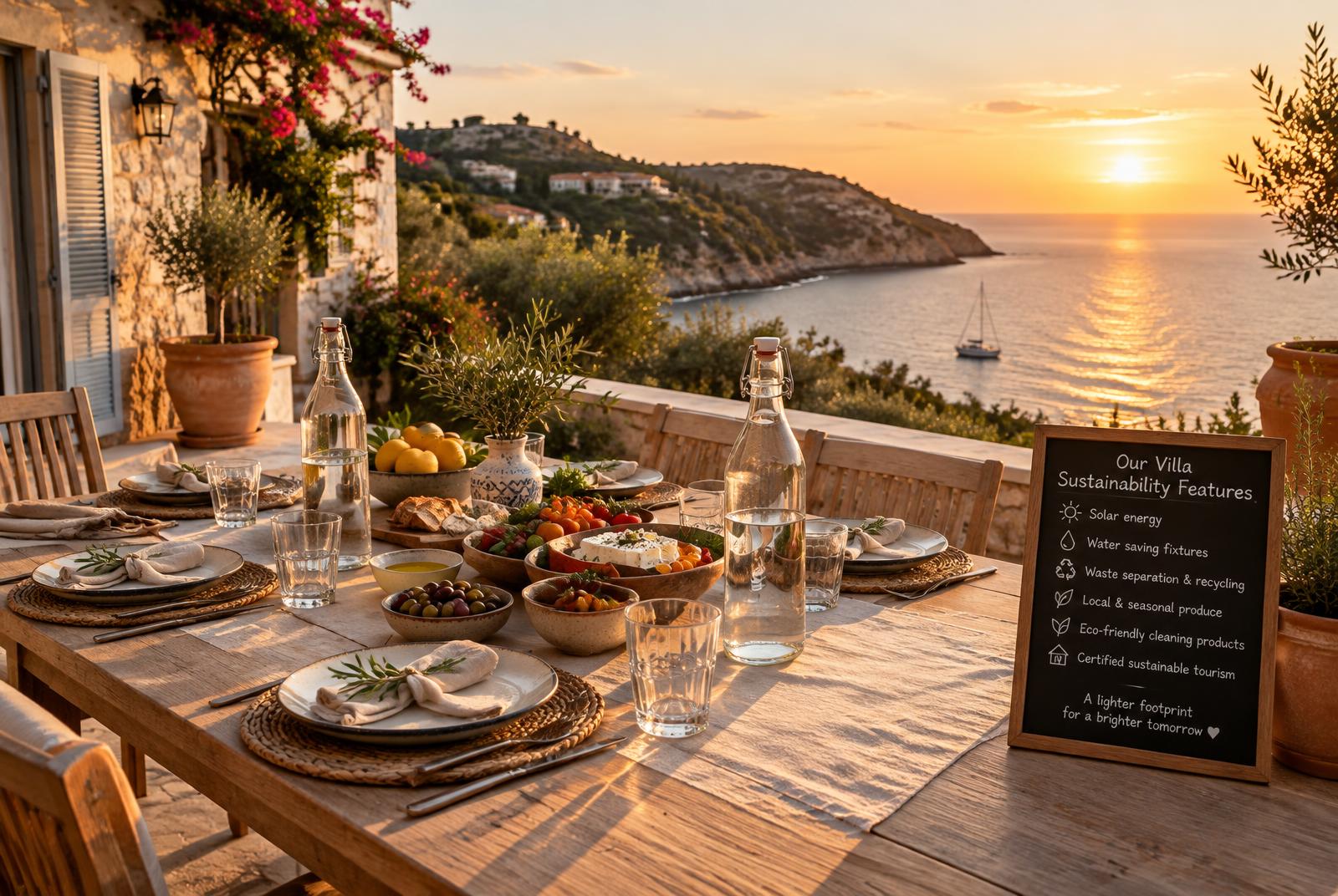
Plenty of listings say they're green. Few can prove it. A Green Short Stay certificate is the difference between a marketing line and a property whose standards were examined by someone who doesn't profit from the booking.
Every answer the owner submitted was reviewed against photos and documents by a human assessor. “Eco-friendly” in a listing is a promise — a Green Short Stay tier is a result that was verified.
Bronze, Silver and Gold each map to a fixed score out of 100. You see at a glance how far the property has gone, and how it compares with the apartment next door.
The fee buys a review, never a result. Properties that don't meet the threshold get a report, not a certificate — so a listed tier always means the work is actually in place.
Certificates are valid for 24 months. Practices drift and equipment ages, so an old badge is never quietly reused to imply the property still qualifies.
A better stay, in three ways
Breathable bedding, gentler laundry products, reliable temperatures and comfortable water systems create a stay that feels as considered as it is responsible.
Efficient energy and water use, less plastic and better waste handling reduce the impact of every night without asking guests to give up comfort.
Local recommendations, low-impact transport and respect for shared resources help tourism support neighbourhood life rather than displace it.
Every criterion, explained
Choose a property type to see every criterion behind its certificate—and why each one matters for your comfort, the destination and the people who live there.
Area A
Checks the building's wall insulation standard.
A more stable indoor temperature means better sleep and less reliance on heating or air conditioning.
Good insulation reduces wasted energy and the property’s climate impact.
Checks glazing type and draft-sealing on windows.
Better glazing, sealing or solar shading keeps rooms quieter, draught-free and comfortable in changing weather.
Reducing heat loss or unwanted summer heat lowers energy demand.
Checks weatherstripping and sealing on entrance and balcony doors.
Efficient temperature control keeps rooms comfortable without excessive noise or harsh temperature swings.
Modern cooling systems use substantially less electricity for the same comfort.
Checks how many major appliances carry an A/A+ or better energy rating.
Natural airflow, good fans or well-sealed doors create a fresher, more comfortable indoor environment.
Passive comfort measures reduce dependence on energy-intensive climate control.
Checks the share of LED or equivalent low-energy lighting.
Efficient, well-maintained appliances support a reliable and convenient stay.
Lower-energy equipment reduces the electricity used for every guest visit.
Checks the type and efficiency of the heating system.
Efficient heating or lighting provides dependable comfort and clear, welcoming spaces.
Using less energy for warmth and light cuts avoidable emissions.
Checks the type and efficiency of the cooling system.
Efficient cooling or renewable energy keeps comfort high while lowering the stay’s footprint.
Cleaner energy and efficient cooling reduce fossil-fuel demand.
Checks whether the unit draws on renewable or green-contracted energy.
Renewable power lets guests enjoy everyday comforts with a lighter footprint.
Solar or verified green energy directly reduces reliance on fossil fuels.
Area B
Checks whether kitchenware, cookware and utensils are free of plastic.
Durable, plastic-free kitchenware reduces contact with worn plastic in food and drinks.
Reusable materials create less plastic waste over repeated stays.
Choosing durable goods supports responsible local supply and waste systems.
Checks whether disposable plastic items are offered to guests.
Refillable drinking and dining options make a low-waste stay easy without sacrificing convenience.
Removing disposable cups, bottles and cutlery prevents persistent plastic pollution.
Less litter helps keep shared streets, parks and beaches pleasant for residents and visitors.
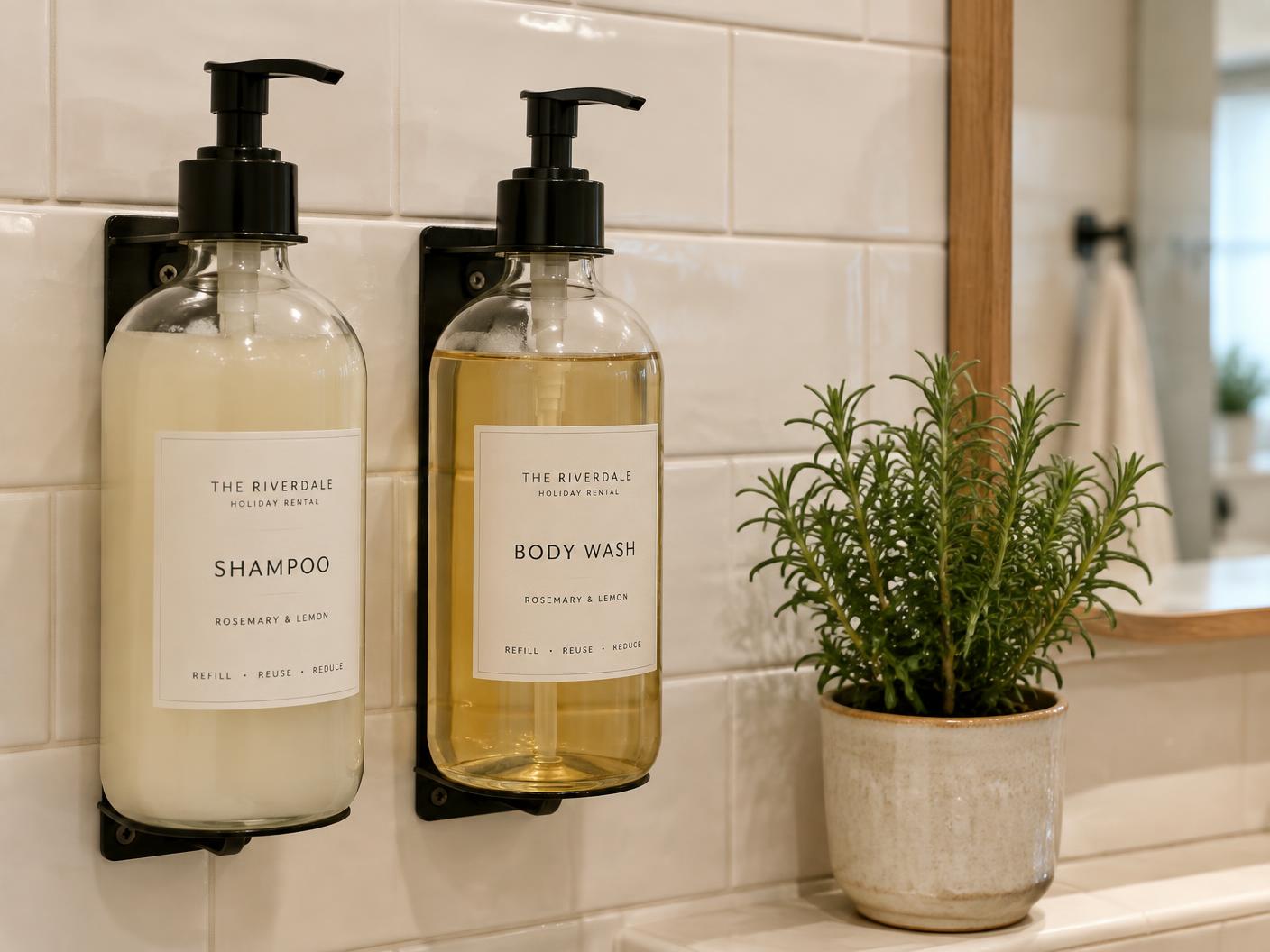
Checks whether bathroom products are refillable/bulk or single-use miniatures.
Refillable toiletries provide full-size products and reduce the clutter of throwaway miniatures.
Bulk dispensers prevent hundreds of small plastic containers entering the waste stream.
Checks whether recycling bins and guest instructions are in place.
Reusable beach essentials and clearly organised recycling make responsible choices effortless.
Reef-safe products protect marine life, while reuse and sorting keep waste out of nature.
Cleaner beaches and better waste habits protect the places local people depend on.
Area C
Checks the material and certification of towels.
Thoughtfully sourced bath and beach towels feel good against the skin and avoid lower-quality synthetic fibres.
Certified or recycled fibres reduce harmful processing, resource use and microplastic shedding.
Responsible textile choices support safer, fairer production chains.
Checks the material and certification of bedding.
Quality natural or certified bedding creates a breathable, comfortable sleep environment with fewer unwanted chemicals.
Long-lasting, responsibly made linen reduces resource use and textile waste.
Better sourcing supports healthier working conditions throughout the textile supply chain.
Checks detergent choice and linen-change practices.
Gentler detergents and sensible linen changes reduce skin irritants while keeping everything fresh and hygienic.
Efficient washing and guest-led changes save water, energy and detergent.
Lower laundry demand reduces pressure on local water and wastewater systems.
Area D
Checks walking distance to the nearest public transport stop.
Walkable access to transport or the beach makes the stay easier, more active and less car-dependent.
Walking and public transport reduce traffic, fuel use and emissions.
Exploring on foot brings guests closer to neighbourhood businesses and everyday local life.
Checks access to EV charging near the property.
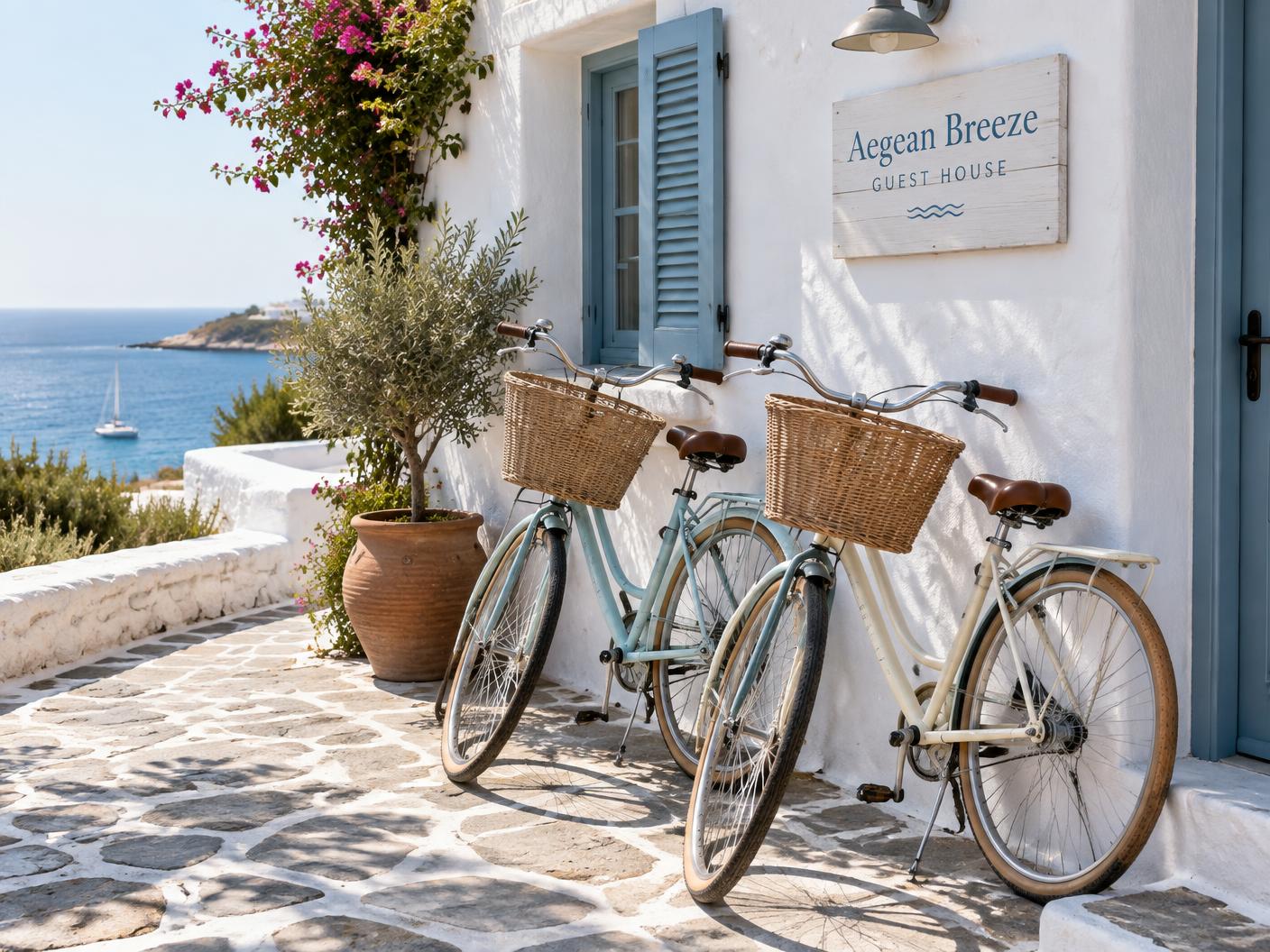
Bike access and EV charging give guests flexible, active ways to explore.
Low-emission travel improves air quality and reduces transport emissions.
Slower local travel encourages stops at independent shops, cafés and attractions.
Area E
Checks whether guests are informed about the property's sustainability features.
Clear information helps guests use the property comfortably and understand the choices made for their stay.
Simple instructions turn efficient equipment and recycling facilities into real savings.
Transparent guidance helps guests respect shared neighbourhood resources.
Checks whether guests are actively encouraged to save resources.
Practical, friendly guidance makes water and energy saving—or beach-safe choices—easy rather than restrictive.
Small actions across many stays protect scarce resources and sensitive marine habitats.
Respectful visitor behaviour protects the destination residents share year-round.
Checks whether guests receive a curated sustainable local guide.
A trusted local guide connects guests with authentic food, activities and experiences.
Nearby, responsible recommendations reduce unnecessary travel and favour lower-impact choices.
Spending with independent local businesses keeps more tourism value in the community.
Area F
Checks whether water-saving aerators are fitted.
Efficient taps and showers provide comfortable water pressure while helping hot water last reliably.
Lower flow saves both fresh water and the energy used to heat it.
Conserving water protects a shared local resource, especially in summer destinations.
Checks the cistern's water efficiency.
Modern toilets offer dependable hygiene while using only the water each flush needs.
Efficient cisterns prevent large volumes of clean water being wasted.
Reduced demand supports resilient local water supplies.
Checks for water-efficient appliances and leak detection.
Leak monitoring and efficient machines reduce the chance of disruption, damp and unnoticed water damage.
Early detection and efficient equipment prevent major water loss.
Avoiding leaks protects buildings and reduces strain on community water infrastructure.
Reading a tier
Tiers aren't aspirational labels — they're score bands. The higher the tier, the further the property has gone across all six areas. Gold also demands a minimum in every section, so it can't be earned by excelling in one and coasting in another.
Below the minimum threshold. A free improvement report is issued, no certificate.
Solid baseline sustainability practices in place.
Above-average performance across most categories.
Leading, comprehensive sustainability performance.
Certificate check
Anyone can display a badge on a listing. Search here by property name or by the certificate code shown on the badge, and see exactly what was awarded and when.
When you see a Green Short Stay badge on a listing, the owner has put their property through the same fixed criteria, scored out of 100, and reviewed by a person. That's a stay you can book on its word.
See how a property earns it